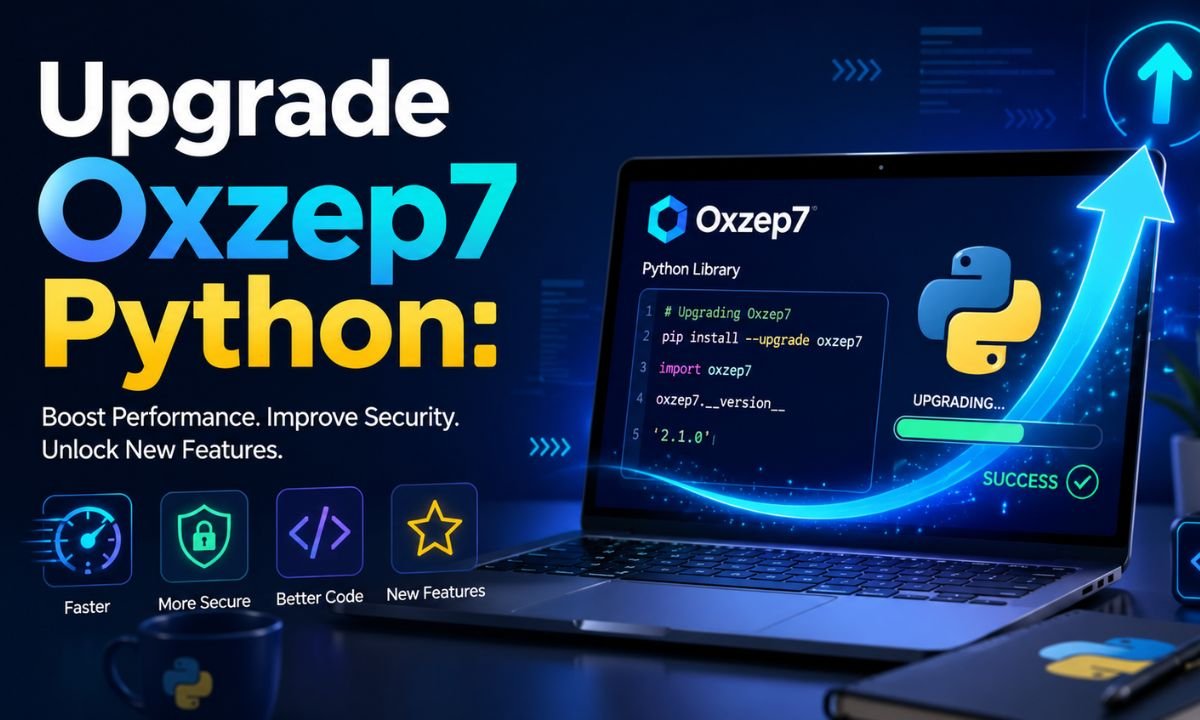
Upgrade Oxzep7 Python: What You Need to Know
Searching for upgrade oxzep7 python feels like it should end in one quick command. Instead, you’ve probably found conflicting descriptions and no clear source. That gap between expectation and reality is exactly why this guide exists.
Before touching your Python environment, you need clarity. This article walks through what “Oxzep7” might actually be, how to verify any Python package before installing it, and the safest way to handle a package upgrade whether it’s public, private, or something you’ve never encountered before.
What Does “Upgrade Oxzep7 Python” Mean?
The phrase suggests updating a Python-based application, library, or development platform called Oxzep7. But the term shows up across the web with wildly different definitions, ranging from a performance-focused tool to an internal framework.
That inconsistency matters. A real Python library usually has a package index listing, a source repository, and clear version history. Oxzep7 currently lacks visible evidence of any of these, which means verification has to come before action.
Is Oxzep7 a Real Python Package?
There’s no strong public evidence confirming Oxzep7 as an established public Python package. Trusted libraries typically offer package documentation, installation instructions, dependency information, and active issue tracking you can review yourself.
Still, that doesn’t rule out a private package or internal project. Companies build internal tools constantly. If Oxzep7 belongs to your organization, the package source and trusted distribution source should exist somewhere in your own systems, not a random blog post.
Read More: Zenvekeypo4 Software Problem: Causes, Fixes, and Solutions
Why Are So Many Websites Discussing Oxzep7?
Multiple pages now use near-identical phrasing like “develop Oxzep7 software” or “new software Oxzep7 Python.” Repetition creates an illusion of legitimacy, but copied phrasing across sites isn’t the same as verified documentation.
When several articles echo the same vague claims, ask a sharper question: where’s the primary source? If no official documentation, maintainer, or repository backs up the claims, treat the term as unverified rather than assuming it’s a recognized development platform.
How Does Oxzep7 Software Work?
Some sources describe Oxzep7 as built for machine learning, data processing, or large-scale computation. Others call it a general customized runtime. These descriptions contradict each other too often to count as reliable technical specs.
Instead of trusting outside claims, check your own project. Search your requirements.txt, pyproject.toml, or lockfiles for the name. That single search tells you more about real-world Oxzep7 usage than dozens of generic articles ever could.
Before You Upgrade Oxzep7 Python
Any responsible package upgrade starts with preparation, not execution. Confirming your Python version, backing up your current dependencies, and isolating your workspace protects you from unnecessary downtime later.
These three habits apply whether you’re upgrading Oxzep7, a well-known library, or something completely unfamiliar. Skipping them is one of the fastest ways to turn a routine pip upgrade into a multi-hour troubleshooting session.
1. Check your Python version
Run python –version or python3 –version depending on your setup. Then confirm your pip installation with python -m pip –version. This step matters because mismatched interpreters cause confusing errors that have nothing to do with the actual package you’re upgrading.
2. Save your current dependencies
Create a dependency snapshot before changing anything: python -m pip freeze > requirements-before-upgrade.txt. This single command gives you a reliable reference point, letting you compare your Python environment before and after the upgrade if something breaks.
3. Use a virtual environment
Isolate your test with python -m venv .venv, then activate it. Virtual environments prevent an experimental package upgrade from affecting unrelated projects on your machine. It’s one of the simplest habits that separates careful developers from ones fixing avoidable disasters.
How to Upgrade a Verified Python Package
Once you’ve confirmed a package is legitimate, the standard syntax is simple: python -m pip install –upgrade package-name. Never substitute “oxzep7” just because a website told you to.
If internal documentation confirms Oxzep7 as the correct name, then python -m pip install –upgrade oxzep7 becomes appropriate. For private software, expect the source to come from an internal package index, Git repository, or artifact server instead.
Should You Run pip install –upgrade oxzep7?
Not without verification. Confirm the package exists inside your dependency system, identify its package maintainer, and confirm where it’s hosted before running anything in a live environment.
Also check dependency compatibility with your current Python version, whether a rollback procedure exists, and whether your environment is backed up. Skipping this checklist is how small mistakes turn into production environment emergencies.
How to Develop Oxzep7 Software Safely
If your project genuinely requires working with Oxzep7, treat it as an unverified dependency until proven otherwise. A structured workflow protects your codebase from unnecessary risk during Python development.
This six-step process works for Oxzep7 specifically, but it also applies to any unfamiliar Python dependency you encounter in future projects, internal or public.
Step 1: Identify the source
Locate the repository, package index, or developer responsible for maintaining the software. Without a clear package source, you’re building on unverified ground. This single step prevents most downstream confusion about compatibility, security, and long-term support.
Step 2: Check the dependency definition
Search requirements.txt, pyproject.toml, setup.py, Pipfile, Docker files, and CI/CD configuration for references. Dependency definitions reveal exactly how a package integrates into your deployment scripts and broader software development workflow.
Step 3: Create an isolated environment
Never experiment with an unfamiliar package inside your main Python environment. An isolated environment contains any unexpected behavior, protecting your other projects from conflicts, broken imports, or unstable application dependencies.
Step 4: Install the documented version
Use only the package’s official, documented installation steps. Guessing at commands based on search results risks pulling an unverified or malicious package instead of the legitimate verified package your project actually needs.
Step 5: Run your test suite
Execute your full test suite, including unit tests, integration tests, application startup checks, and database connections. This confirms the upgrade didn’t quietly break functionality your application depends on daily.
Step 6: Compare performance
Measure application performance before and after the change. Don’t assume a newer version automatically improves speed. Performance testing gives you actual data instead of hopeful assumptions about the upgrade’s impact.
What About a Python Error Oxzep7 Software?
If you’re facing a Python error mentioning Oxzep7, don’t search the name alone. Capture the full Python traceback, your Python version, operating system, and exact package versions involved first.
A genuine ModuleNotFoundError tells a completely different story than Oxzep7 appearing inside a variable name or file path. Traceback analysis almost always reveals more than the keyword itself.
Common Python Problems After an Upgrade
Even a fully legitimate package upgrade can introduce friction. Understanding common failure points helps you troubleshoot faster instead of guessing randomly at fixes after something breaks unexpectedly.
These four categories cover the vast majority of post-upgrade issues developers encounter, regardless of which package triggered the change in the first place.
Dependency conflicts
New versions sometimes require different versions of other libraries. Run python -m pip check to catch dependency conflicts early. This command quickly flags mismatches before they cause confusing runtime failures across your application.
Wrong Python environment
You might upgrade inside one virtual environment while running your app from another. Confirm both python –version and python -m pip –version point to the same environment you intend to use.
Import errors
Upgrades can shift module locations, remove deprecated functionality, or introduce API changes. Reading release notes before touching your code prevents wasted debugging time chasing import errors that were actually documented changes.
Configuration changes
Some applications depend on environment variables, configuration files, or external services that behave differently post-upgrade. Test these integrations separately to isolate whether the problem is code-related or purely configuration-based.
What If Oxzep7 Is a Private Company Package?
This is genuinely one of the more plausible explanations. Private Python packages are common inside organizations and often never appear on public indexes due to proprietary code or internal-only use cases.
If that’s your situation, request the official name, supported Python versions, changelog, dependency requirements, and rollback procedure from your team. Internal documentation always outranks generic web guidance here.
How to Verify an Oxzep7 Installation
After any upgrade, confirm success using python -m pip list or python -m pip show package-name. A completed install command alone doesn’t guarantee everything works correctly.
Run a full verification pass: import the package, test core functionality, execute your test suite, and review logs for new warnings. Then confirm deployment behavior matches expectations before calling it done.
Common Mistakes When Searching for Upgrade Oxzep7 Python
Most Oxzep7-related frustration traces back to a handful of avoidable habits. Recognizing these patterns helps you approach unfamiliar Python software with appropriate caution rather than blind trust.
Each mistake below is common, easy to avoid, and directly relevant whether you’re dealing with Oxzep7 or any other unclear Python dependency.
Mistake 1: Trusting the first search result
Ranking well in search results doesn’t equal official documentation. Always verify claims against a primary source, like a maintainer’s repository, rather than assuming the top result carries any real authority.
Mistake 2: Installing an unknown package
A plausible-sounding name isn’t automatically trustworthy. Package verification should happen before installation, especially for anything without a visible source repository or clear maintainer.
Mistake 3: Upgrading production first
Always test significant dependency changes inside an isolated environment first. A production environment is the worst possible place to discover an incompatible or broken package upgrade.
Mistake 4: Ignoring the traceback
The full Python traceback usually reveals more than the package name alone. Skipping this step means chasing the wrong problem entirely, wasting valuable troubleshooting time.
Mistake 5: Assuming newer means better
A newer version can introduce breaking changes. Compatibility matters just as much as version number when deciding whether an upgrade actually benefits your application.
FAQs
What Is Upgrade Oxzep7 Python?
It refers to updating a Python-related component called Oxzep7. However, no strong public evidence confirms it as a recognized Python package, so verification should come before any installation attempt.
Is Oxzep7 a Real Python Package?
Current evidence doesn’t support Oxzep7 as a mainstream public Python package. It could still exist as a private package, so checking your own dependency files remains the most reliable next step.
Can I Run pip install –upgrade oxzep7?
Not without verification first. Confirm it’s a legitimate dependency, identify its package maintainer, and follow official documentation rather than copying commands from unrelated articles.
How Does Oxzep7 Software Work?
There’s no consistent, verified technical specification available. Descriptions vary too much across sources to be treated as confirmed application dependencies or architecture.
What Should I Do About a Python Error Involving Oxzep7?
Save the complete Python traceback, note your Python version and operating system, then check your dependency files before installing anything new in response.
Could Oxzep7 Be an Internal Python Package?
Yes, that’s plausible. Many internal projects never appear on public indexes. If this came from work, check with your team before searching further online.
How Can I Safely Upgrade Any Python Dependency?
Use a virtual environment, save a dependency snapshot, review release notes, install the verified package, run your test suite, and always maintain a rollback strategy.
Final Thoughts
Upgrade Oxzep7 Python looks like a simple search query, but the unclear origin of the name makes verification essential. Conflicting claims across the web shouldn’t replace a real package source.
If Oxzep7 exists inside your project, trace it back to your dependency files, repository, or team documentation first. For everything else, stick to standard pip install practices inside a proper virtual environment, and test thoroughly before trusting any package upgrade.

Jaxxon is an experienced content writer focused on meanings, language, symbolism, and cultural topics. He publishes well-researched articles that help readers understand words, names, dreams, and symbols with confidence